

An article dedicated to the christian band Delirious?

You’ve probably heard their tracks blasting through radios, CD players, and even those chunky MP3 devices back in the late 90s and early 2000s—the golden age of Christian rock and worship. That era was stacked with iconic voices from the US and Australia, the two countries basically running the Christian music game. Hillsong? Huge. Michael W. Smith? Legendary. But here’s the plot twist: the UK, a country that today feels mostly secular and chill about religion, had its own squad ready to shake things up.
Enter Delirious?—the band that made worship feel like stadium rock and gave British Christian music its own global footprint.
I Guess we're History makers now huh?
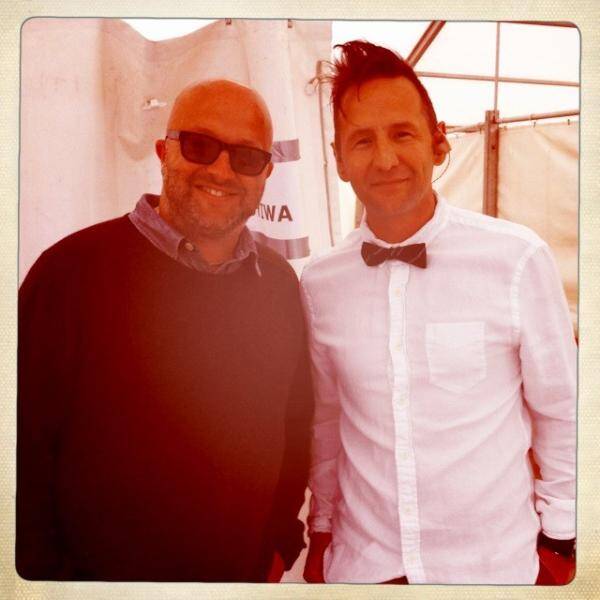
Before Delirious? became the UK’s loudest worship export, it all started with two dudes: Tim Jupp and Martin Smith. Back in 1992, these two weren’t headlining festivals yet—they were just running with a small crew called the Cutting Edge Band. The Cutting Edge Band wasn’t about fame or charts. They were playing at youth services, church events, and local gatherings—basically wherever people needed music to lift the vibe. Think small halls, community centers, and youth nights where everyone showed up with raw energy.At the time, Christian music was huge in the UK. Elders, teens, and everyone in between were plugged into worship culture. So even though Cutting Edge felt like a tiny project, it was actually planting the seed for something way bigger.
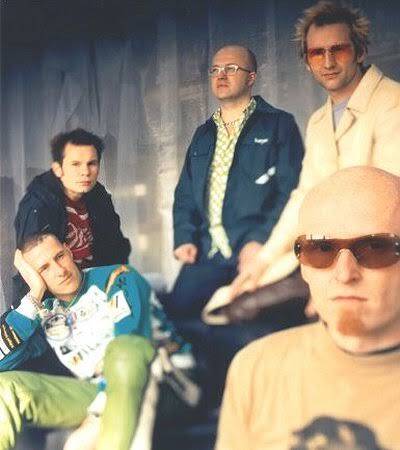
Like any band chasing its sound, the Cutting Edge crew went through multiple lineup changes before finally landing on the trio that would lock things in:
-
Stuart Garrard (Stu G.): The guitarist with that atmospheric, arena‑rock edge. His riffs gave the band a whole new dimension.
-
Jonathan “Jon” Thatcher: The bassist who, even as a teenager, had insane talent and groove. He wasn’t just playing notes—he was carrying the heartbeat of the band.
-
Stewart “Stew” Smith: The drummer who brought raw energy and drive, turning every youth service into a mini rock show.
With Tim and Martin already holding things down, this lineup felt complete.
Once the squad was locked, the Cutting Edge Band started recording small tapes and CDs—literally DIY projects. They’d sell them at local Christian gigs, youth events, and church gatherings. It wasn’t about profit; it was about spreading the music and building a community vibe.
Once the squad was locked, the Cutting Edge Band started recording small tapes and CDs—literally DIY projects. They’d sell them at local Christian gigs, youth events, and church gatherings. It wasn’t about profit; it was about spreading the music and building a community vibe.

Flashback to 1995: Martin Smith, his wife Anna, and her brother Jon (yep, Jon Thatcher, future bassist) were driving together when suddenly—boom—they got into a car accident.
Miraculously, all three walked away completely unharmed. No injuries, no lasting damage. But for Martin, it wasn’t just a lucky escape—it was a wake‑up call.
Martin saw the crash as more than coincidence. To him, it was God’s way of saying: “I’ve got plans for you.” And if God had literally saved his life, then the least he could do was dedicate it fully to Him.
So Martin made a bold decision: the band couldn’t stay part‑time anymore. It was time to go all in.
By 1996, the crew took the leap. They quit their day jobs, went full‑time, and rebranded themselves with a name that would echo across the Christian music world: Delirious?
The question mark wasn’t just a quirky design choice—it symbolized curiosity, faith, and the idea that belief should make people wonder.
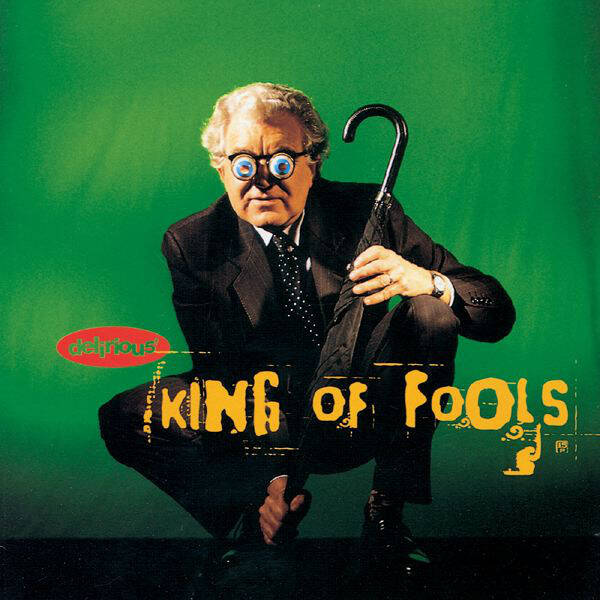
By 1997, Delirious? had officially leveled up. Their debut album, King of Fools, dropped and instantly made waves. Packed with tracks like:
-
🎶 History Maker
-
🎶 Sanctify
-
🎶 What a Friend I’ve Found
-
🎶 Revival Town
This wasn’t just another worship record—it was a bold statement that Christian rock could stand toe‑to‑toe with mainstream music. The album didn’t just stay in church circles—it broke into the UK mainstream, peaking at No. 20 on the UK charts. For a worship band, that was basically unheard of. Suddenly, Delirious? wasn’t just “that Christian band”—they were a legit force in British rock.
Want proof of how big they got? Guitarist Stu G. once shared in an interview that he was listening to the radio when the Spice Girls were playing (aka the biggest pop act in the world at the time). Then, out of nowhere, Delirious? came on—literally knocking the Spice Girls off the airwaves.
That moment summed it up: Delirious? had gone from youth services to competing with global pop icons.
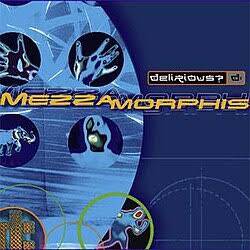
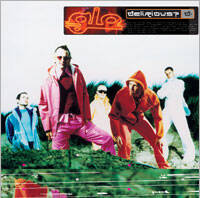
After the King of Fools success, Delirious? wasn’t slowing down. By 1999, they dropped Mezzamorphis—a darker, more experimental album that showed they weren’t just sticking to the worship lane. With tracks like Bliss, they leaned into stadium‑rock vibes that could stand alongside mainstream acts.
Then came Glo in 2000, featuring the iconic Investigate. This track wasn’t just popular in church circles—it was everywhere. Radio stations spun it nonstop, youth groups blasted it, and suddenly Delirious? was reaching audiences far beyond the UK.
With two back‑to‑back albums, the band went global. Tours across Europe, the US, and beyond turned them into international players. They weren’t just “that UK worship band” anymore—they were a worldwide movement.
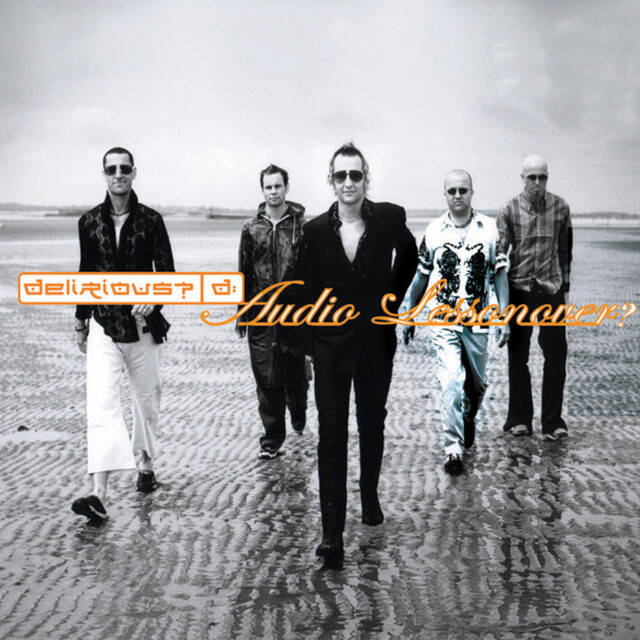
By 2001, Delirious? was feeling bold with their creativity. They dropped Audio Lessonover—and here’s the fun twist: the title is actually an anagram for “Radio One Loves Us.” Talk about cheeky confidence.
But the story didn’t end there. In 2002, the album got re‑released under a new name: Touch, giving the songs a fresh spin and wider reach.
Between 2001 and 2002, Delirious? wasn’t just playing church gigs anymore—they were sharing stages with some of the biggest names in mainstream rock:
-
Bon Jovi
-
Matchbox Twenty
-
Bryan Adams
Imagine being a worship band from the UK and suddenly touring alongside global rock icons. That’s how far they’d come—their sound was powerful enough to cross boundaries and fit right into massive arenas.
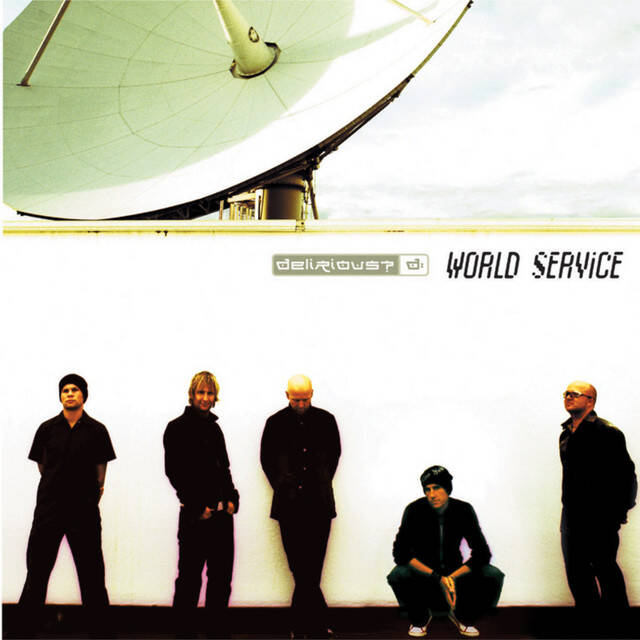

By 2003, Delirious? dropped World Service, an album that reignited their popularity with absolute bangers like Rain Down. It was fresh, powerful, and reminded everyone why they were still the kings of UK worship rock.
In 2004, Delirious? teamed up with Hillsong for the shared live album UP: Unified Praise. This collab was basically the Avengers of worship music—two powerhouse bands joining forces to create a worship experience that felt global.
Next up was The Mission Bell in 2005, featuring tracks like:
-
Here I Am, Send Me
-
Paint the Town Red (and no, not the Doja Cat track—that one’s got a whole different vibe 👀)
This album carried a bold, missional energy, pushing listeners to live out their faith beyond the music. In 2006, Delirious? performed at Willow Creek Church in Chicago, one of the largest churches in the US. The performance was so iconic they released it as Now Is the Time: Live from Willow Creek. It captured their live energy perfectly—raw, passionate, and unforgettable.
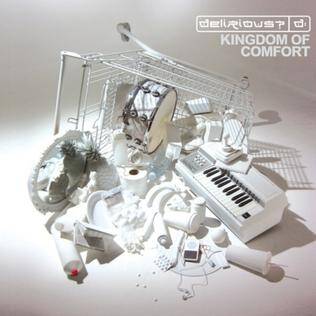
Finally, in 2007, they released Kingdom of Comfort, an album that wrestled with themes of consumerism, poverty, and faith in action. Among its tracks was the soft, mellow, and beautifully haunting My Soul Sings.
Here’s the subtle foreshadowing: My Soul Sings would become the last song they ever played together live. It wasn’t just another track—it was their farewell anthem, unknowingly marking the closing chapter of Delirious?.
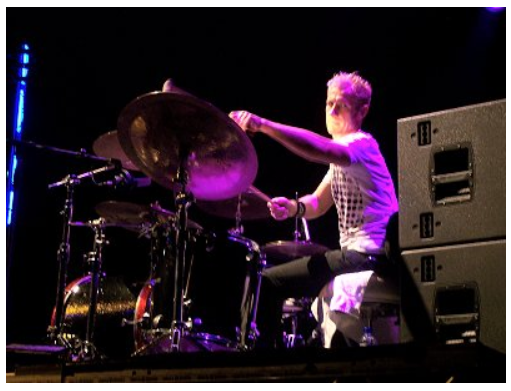

By 2008, cracks started to show. Original drummer Stewart “Stew” Smith—the guy who had been the heartbeat of Delirious? since the Cutting Edge days—announced his retirement from the band.
To fill the gap, the band brought in Paul Evans as his substitute. Paul wasn’t just a stand‑in; he kept the rhythm alive while the band continued touring and even released My Soul Sings: Live from Colombia, a powerful live album that captured their global reach.
But Stew’s departure wasn’t just a lineup change—it was symbolic. For fans, it felt like the first visible crack in the foundation. The chemistry that had carried Delirious? for over a decade was shifting.
The band kept pushing forward, touring hard and delivering music, but underneath, the fuse had already been lit. The countdown to their eventual farewell had begun.
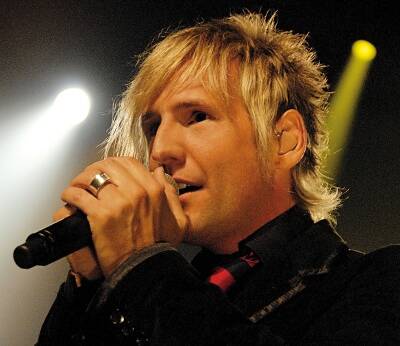
By 2009 , the cracks were widening. Frontman Martin Smith—the voice that had carried Delirious? from youth halls to stadiums—was exhausted. Years of relentless touring had taken a heavy toll. He’d spent little time with his wife Anna and their children, and the weight of being constantly on the road was becoming too much.
Martin wrestled with the idea of leaving the band. But deep down, he knew that if Delirious? changed voices, the fans would feel it instantly. The band’s identity was tied to his voice, his presence, his leadership. A lineup change that big would risk everything they had built.
So instead of dragging things out or trying to reinvent themselves, Martin and the rest of the band made the hardest call: Delirious? would call it quits.
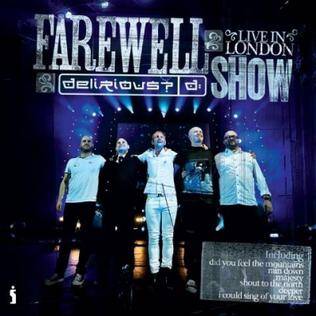
By 2009, the end had finally arrived. Delirious? announced their farewell tour, a bittersweet journey that would close the chapter on one of the UK’s most iconic worship bands. And fittingly, their final show landed at home in London—a night packed with emotion, nostalgia, and wholesome surprises.
-
🥁 Stew Smith Returns: Their OG drummer came back for Investigate, giving fans one last taste of the original lineup.
-
👧 Family on Stage: During Majesty, Martin Smith’s daughter literally rode on his back while he sang—a moment that melted hearts and showed the human side of the band.
-
📣 The Megaphone Giveaway: Martin handed away his iconic megaphone, a symbol of his voice and leadership, passing it on as a gesture of closure.
The very last track they played together was My Soul Sings. It wasn’t just a song—it was a requiem. The band went out with a bang, pouring every ounce of emotion into that final performance.
And then, in the most beautiful ending, all their wives and children walked on stage to embrace them. It wasn’t just a band saying goodbye—it was families, faith, and fans united in one last moment. When the band left the stage that night, Delirious? was no more. But their impact didn’t fade. They left behind a legacy that shaped modern worship music, inspired countless bands, and proved that faith could be loud, bold, and world‑changing.

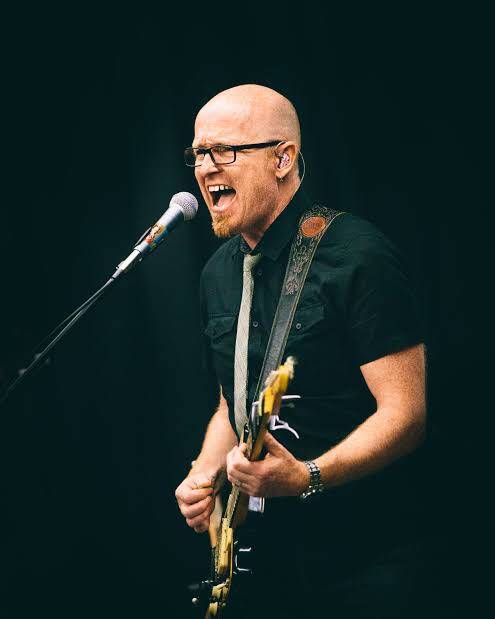


When the lights dimmed on that final London show in 2009, Delirious? as a band was no more. But the story didn’t end there—each member carried their own spark into new chapters.
-
Martin Smith launched a solo career, continuing to write worship anthems and occasionally reuniting with his old bandmate.
-
Stu G. also went solo, exploring new sounds and projects, but every now and then, he and Martin link up for nostalgic performances.
-
Keyboardist Tim Jupp stepped away from touring life and, with his wife, founded the Big Church Festival in the UK. It’s now one of the biggest Christian music festivals in Europe, carrying the same community vibe Delirious? once embodied.
-
Bassist Jon Thatcher joined the band One Sonic Society (which later disbanded). He then pivoted into entrepreneurship, founding Arkyard, a company focused on creative ventures.
-
OG drummer Stew Smith built a graphic design company called Smeezer, channeling his creativity into visuals instead of beats.
-
Replacement drummer Paul Evans continued as a small‑time session drummer, keeping the rhythm alive in quieter ways.
Even though the members moved on, the impact of Delirious? still echoes. They weren’t just a band—they were history makers. Their music let the word of God rain down on people’s faith, shaping worship culture across the globe.
And with that, we close this Disasters of Yesteryear article. From humble youth services in 1992 to a farewell in London in 2009, Delirious? proved that worship could be bold, loud, and unforgettable.
✨ History made. History remembered.
Add comment
Comments