

an Article dedicated to X Japan

Psychedelic Violence, Crime and Visual Shock. That wasn’t just a slogan — it was basically the DNA of X Japan. They weren’t here to play nice; they were here to blow up the entire scene. Imagine late‑80s Japan, everyone vibing with polished pop idols, then suddenly this band shows up looking like anime villains with guitars. Hair teased to the heavens, outfits louder than the amps, and a sound that felt like chaos bottled up. But here’s the thing: their story isn’t just hype. It’s pain. It’s tragedy. Four times over. Each hit was like the universe saying, “You thought you were untouchable? Nah.”
WE ARE X!!!!!!
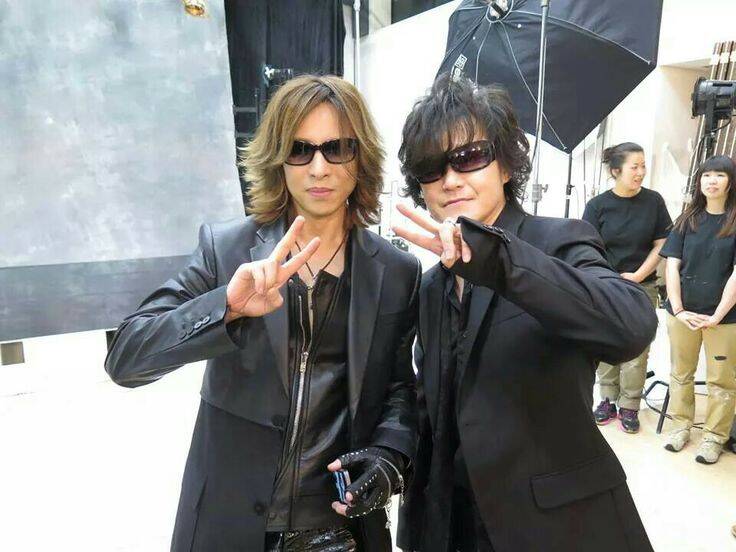
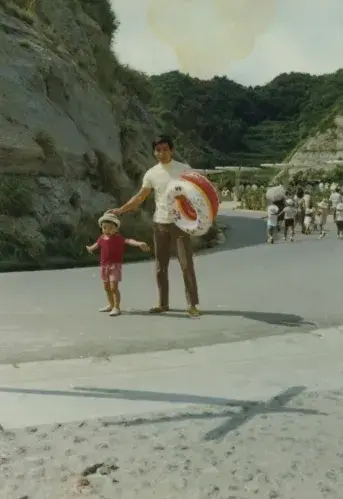
So boom — this band starts with two dudes: Yoshiki Hayashi and Toshimitsu Deyama. To the world, they’re just Yoshiki and Toshi. Besties, bros, classmates — literally inseparable. But Yoshiki’s backstory? Dark. Like, real dark. Before the band even existed, he went through one of the most brutal things ever. He found his dad on the floor… gone. Depression hit him like a truck. His mom, trying to protect him, erased every trace of his father — photos, memories, everything. And fr, the only pic we even have of his dad is that one on the right. That’s it. Yoshiki didn’t know how to process it. He started destroying stuff, breaking things, lashing out. So his mom, in full survival mode, was like: “Okay, if you’re gonna smash things, at least smash drums.” She bought him a drum kit to keep the house safe. And that’s where it clicked. Yoshiki went from chaos to rhythm. He started banging on drums like his life depended on it — and honestly, it kinda did. At the same time, he was also playing classical piano, so he had this wild combo: elegance on the keys, destruction on the kit.
That mix — pain, rage, beauty — became the core of X Japan’s sound.


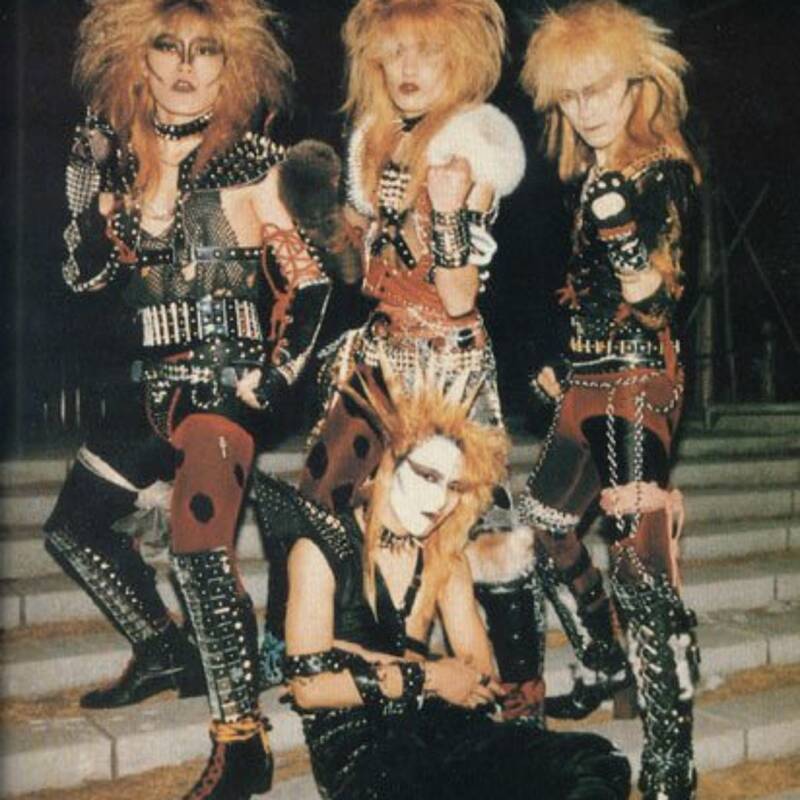
After going through dozens — and I mean DOZENS — of lineup changes, the chaos finally settled. The band locked in their squad:
-
Tomoaki Ishizuka (aka Pata) on guitar
-
Hideto Matsumoto (aka Hide) also on guitar
-
Taiji Sawada (aka Taiji) holding down the bass
And of course, the OG duo — Yoshiki on drums/piano and Toshi on vocals. So boom, that’s the core five: Yoshiki, Toshi, Pata, Hide, and Taiji. Together they became the powerhouse known as X (before they rebranded as X Japan). This wasn’t just a band lineup — it was the final form after years of chaos. Like Pokémon evolution but with guitars and eyeliner. Every member brought their own vibe: Yoshiki’s mix of elegance and destruction, Toshi’s voice that could cut through walls, Hide’s wild charisma, Pata’s steady cool, and Taiji’s bass thunder. That combo? Straight‑up legendary. They weren’t just making music — they were rewriting the rules of what a band could be in Japan.
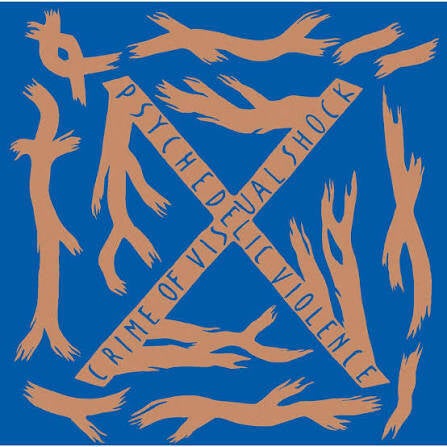


So after grinding through the underground scene, X finally got signed to Sony. Big deal. Major label. And they didn’t waste time — they dropped three albums back‑to‑back:
-
Vanishing Vision (yeah, the cover was so graphic we can’t even show it here)
-
Blue Blood (instant classic, pure chaos)
-
Jealousy (the drama in the title says it all)
But then… the first major fracture. Taiji Sawada, their bassist, got fired for “personal reasons.” No one really knew the full tea, but it shook the fandom hard. Enter Hiroshi Morie (aka Heath) — the new bassist who stepped in to keep the band alive. With him, they dropped two more albums that weren’t just records, they were statements:
-
Art of Life — literally a 29‑minute single track, like Yoshiki said “I’m gonna make a symphony and a metal song at the same time, deal with it.”
-
DAHLIA — the last studio album before things got really heavy.
And this is where the story shifts. Up until now, it was glam, chaos, and rebellion. But after DAHLIA, the vibe turned serious. The tragedies started stacking, the band’s future got shaky, and their slogan — Psychedelic Violence, Crime and Visual Shock — stopped being just edgy words. It became reality.

So here’s where things get messy. Toshi meets a total baddie, Kaori Moritani. They cross paths during some stage production — Hamlet, Romeo & Juliet, whatever — point is, sparks fly. They start dating, then boom, they’re married. But Kaori? She pulls Toshi into these “meetings” with a group called Home of Heart. And yeah, let’s call it what it was — a cult. The leader, Toru Kurabuchi (aka Masaya), starts feeding Toshi all this brain‑rot about how X Japan’s music is “evil,” “unhealthy,” basically the same stuff your mom would yell during the Satanic Panic era if she caught you blasting metal in your room. And Toshi? He breaks. He gets fully sucked in. Suddenly, every time he tries to jam with X — ✨ kicked in the ass. ✨ Meeting with the band? ✨ kicked in the ass. ✨ Signing autographs? ✨ kicked in the ass. The cult was straight‑up abusing him, controlling his every move, and it was wrecking the band from the inside. Eventually, Toshi couldn’t take it anymore. He left X Japan. And fans? They were LIVID. Like, imagine your fave leaving not because of music beef, but because a cult convinced him his own art was evil. It was heartbreaking, chaotic, and it marked the beginning of X Japan’s darkest chapter.
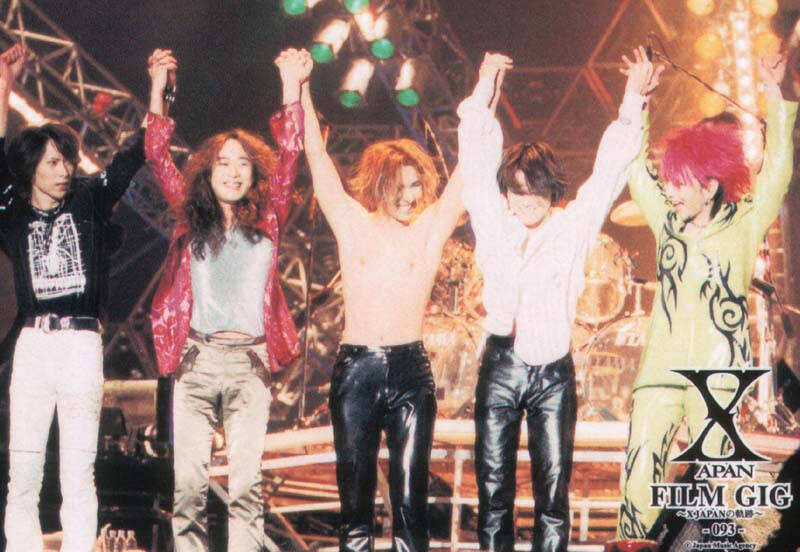
So the band, already shaken, decides to call it quits. And they don’t just ghost the scene — they announce their breakup with one final blowout: The Last MOTHERLOVIN’ Live. And get this: it wasn’t on some random Tuesday. Nah. It was New Year’s Eve. The ultimate “end of an era” vibe. Fireworks outside, heartbreak inside. Fans were crying, screaming, clinging to every note because they knew this was it. After that night? Silence. The members didn’t speak to each other for a whole decade. Ten years of nothing. No jams, no tours, no reunions. Just silence. But fate wasn’t done with them. Another tragedy hit — and this one cut the deepest. It involved Hide.

Hide wasn’t just a guitarist; he was the soul, the wild heart, the one who made X Japan feel untouchable. And then suddenly… gone. His death shook fans to their core. People refused to believe it, some even thought it was an accident, others couldn’t accept it at all. The grief was so heavy that fans held vigils, blasting his songs like prayers. This was tragedy number whatever, but it felt like the final nail. X Japan wasn’t just broken — it was shattered. Ten years fly by. Whole generations of celebs rise, peak, and vanish, but for X Japan? Silence. The band is frozen in time, and Toshi’s freedom is still chained down by that cult. Every move he makes is monitored, every attempt to reconnect with music gets shut down. Fans are watching their icon fade, trapped in a system that keeps telling him his own art is “evil.” It’s like the world kept moving, but X Japan stayed stuck in heartbreak mode. The cult had its claws deep in Toshi, and for a decade, it felt like there was no way out. Then — 2007. The year everything shifts. After years of oppression, manipulation, and silence, cracks finally start to show in the cage around Toshi. And with that, the possibility of X Japan rising again starts to feel real.
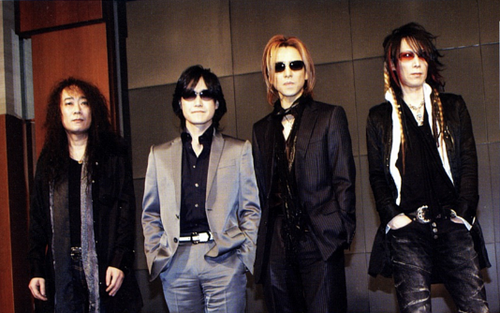
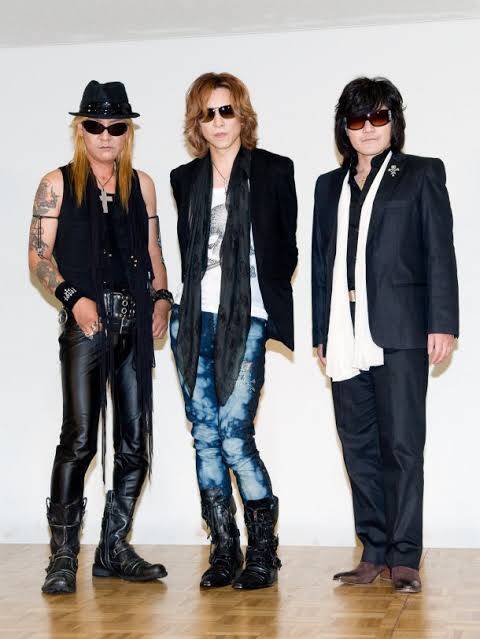

So fast‑forward to 2007. Toshi is only partially free — still brainwashed, still under the cult’s grip. His marriage? Done. His wife was literally forced into cheating on him with Masaya, the cult leader. Absolute betrayal. But here’s the twist: the cult actually forced Toshi to return to X Japan. Imagine that — the same group that told him the band was “evil” now making him go back. So he picks up the phone, calls Yoshiki, and boom — reunion. At first, they’re a four‑piece. The energy is there, but something’s missing. Then in 2008, the legendary guitarist from Luna Sea, Yune Sugihara (aka Sugizo), joins them. At first he’s just helping out, but soon he’s officially part of the squad. By 2010, the biggest shift happens: Toshi finally severs ties with the cult. After years of manipulation, abuse, and being told his art was “evil,” he breaks free. For the first time in decades, he’s truly himself again. And with that, X Japan isn’t just reunited — they’re reborn. The tragedies still hang heavy, but the comeback feels like destiny. So in 2010, the impossible happened: Taiji reunited with X Japan for one show only. Fans were hyped — it felt like a miracle, like maybe the old magic was back. But then, 2011 hit. And tragedy number 3 slammed down. While on a flight, Taiji got into an argument with an employee, ended up arrested in Saipan, and things spiraled. In jail, he attempted to “turn himself into a Christmas ornament” (iykyk). He fell into a coma, and eventually, his life support was turned off. He was only 45. Unlike Hide, who was just 33 when he passed, this was another devastating loss that carved into the band’s soul. After that, X Japan made sure his name lived on. In live performances of their anthem “X”, they would announce the lineup like a roll call of legends: Heath, Pata, Sugizo, Yoshiki, Toshi, Taiji, Hide. Every name, every shout, was a way of saying: they’re still here with us. And through all this pain, the band kept pushing forward. They were even trying to announce a 6th album, proving that despite the tragedies, the vision of X Japan wasn’t dead. It was scarred, but still alive.
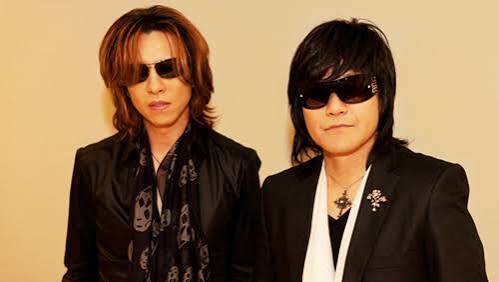
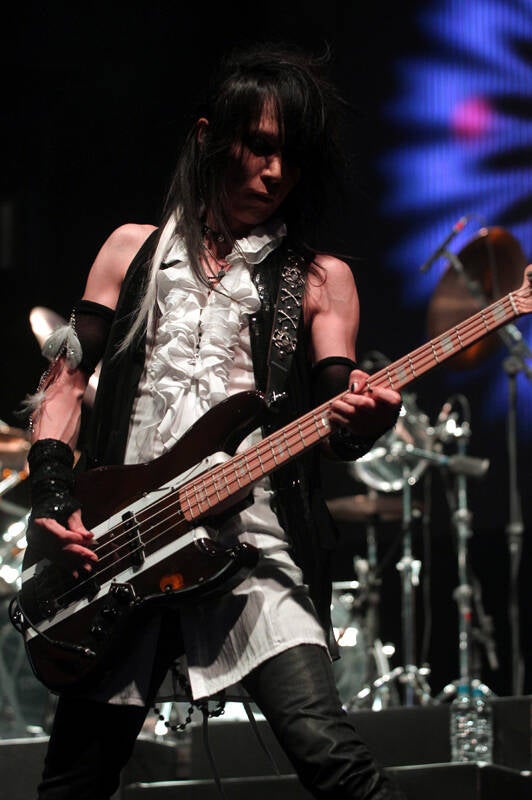
From 2010 onward, Yoshiki and X Japan kept grinding, promising fans a new album that would feature all seven members — including the two who had already passed (subtle foreshadowing, yeah). Release dates kept getting announced, but none of them ever stuck. It was like waiting for Half‑Life 3: hype, delays, silence. Then 2018 hit. Things went sour. Yoshiki and Toshi cut ties with each other. Toshi even scrubbed mentions of X Japan off his own website. Fans were furious — like, actually livid. The drama was so bad that even the creator of this article said if he had both Yoshiki and Toshi in a room, he’d scold them like a dad until they made up. But nope — 2018 marked the start of another hiatus. And remember that foreshadowing? Yeah, it was real. In 2023, bassist Heath announced he had cancer. That same year, he passed away. Another tragedy. Another legend gone. He was the third member to join Hide and Taiji in X Japan’s memorial roll call. So from the highs of stadium chaos to the lows of cult manipulation, breakups, and loss, X Japan’s story is basically the definition of psychedelic violence, crime, and visual shock. Beautiful, brutal, unforgettable. And with that, this closes the Disasters of Yesteryear article on X Japan — a saga of music, tragedy, and legend.
Add comment
Comments